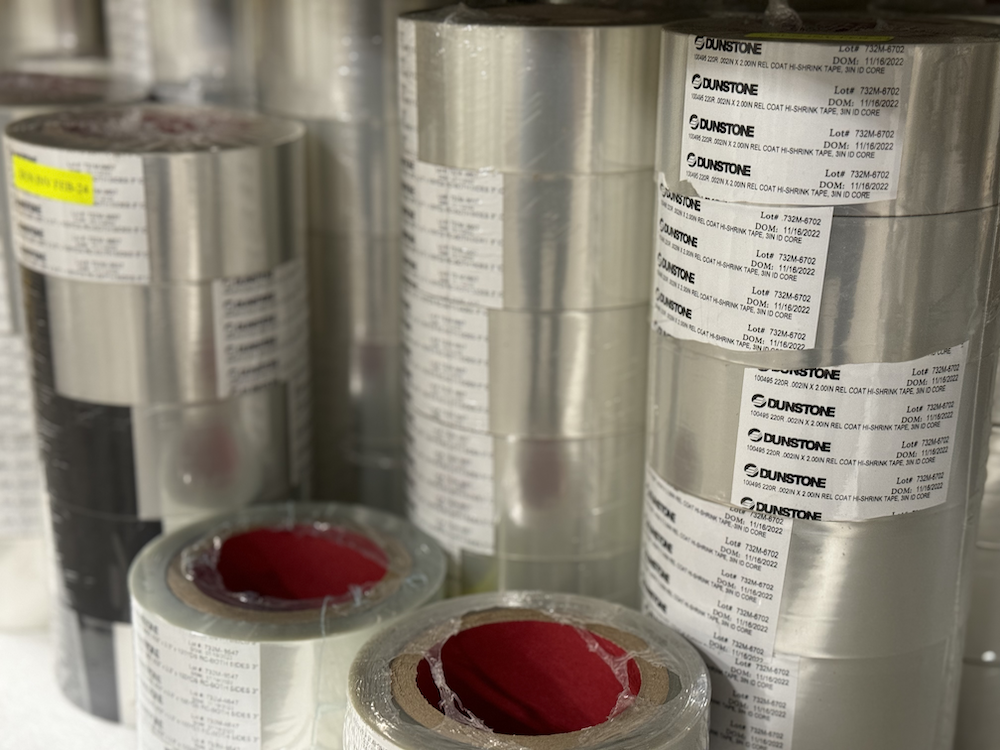
Composite manufacturing cost reduction efforts usually target material price. The higher cost is labor at the consolidation stage. Here is where the savings actually sit.
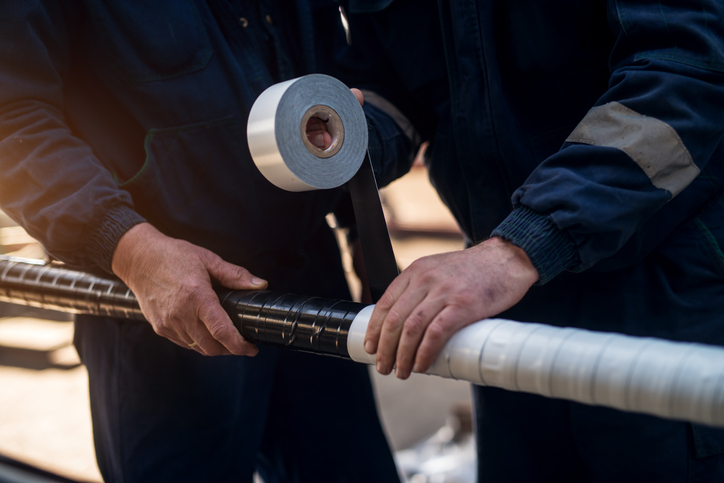
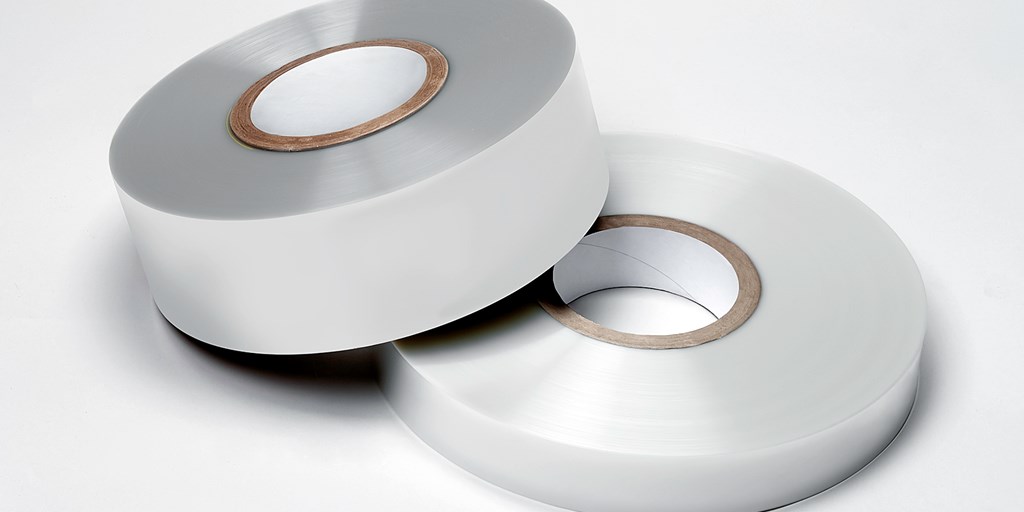
High-temperature tape for special applications, like Dunstone's HT and X Series, deliver when standard solutions can't handle cure temperature or a resin system.
Explore five real-world examples of composite molding tapes solving challenges across aerospace, automotive, industrial, and sporting goods manufacturing.
When you have composites and resins that need to be consolidated or laminated, it’s important to select the right process for your project. Typically, three options are the most common: shrink tape, vacuum bagging, and autoclaving. Let’s explore shrink tape …
A composite overwrapped pressure vessel, or COPV, is used to store various types of gasses, water, or chemicals. One of the most common types of gas stored in COPVs is hydrogen. Hydrogen gas is stored under pressure in order to …