
From Aerospace to Sporting Goods: Where Polyester Composite Tape Delivers
Polyester composite tape isn’t a one-size-fits-all solution. The way it’s applied in aerospace differs dramatically from its use in sporting goods manufacturing. Understanding these industry-specific applications helps manufacturers select the right tape specifications and optimize their composite consolidation process. Let’s take a closer look.
Industry Application Examples for Polyester Composite Tape
Aerospace: Precision Under Pressure
In aerospace applications, polyester composite tape consolidates composite materials where performance isn’t negotiable. Carbon fiber fuselage components require void-free lamination to meet strict safety standards. Thermal insulation covers for aircraft systems also rely on polyester composite tape to achieve proper lamination and a consistent surface finish.
Dunstone’s 200 Series Hi-Shrink Tape provides 5-20% shrink force on thin-walled composite tubes and flexible ductwork used in environmental control systems. At 0.002″ thick, it delivers consistent compressive force throughout cure cycles reaching 165°C, eliminating voids that could compromise structural integrity.
Automotive: Speed Meets Strength
Automotive manufacturers leverage polyester composite tape to produce lighter, stronger components. Carbon fiber drive shafts in high-performance vehicles and EV applications require precise consolidation to handle extreme rotational forces. The thin profile of the 100 Series makes it ideal for small-diameter shafts and composite tubes, while carbon fiber rotor sleeves in electric motors benefit from consistent compression that improves mechanical strength and heat dissipation.
Composite rims for performance vehicles demand the same void-free consolidation to withstand impact and rotational stress. Production efficiency matters here — polyester composite tape reduces wrapping time compared to traditional vacuum bagging.
Oil & Gas: Built for Extremes
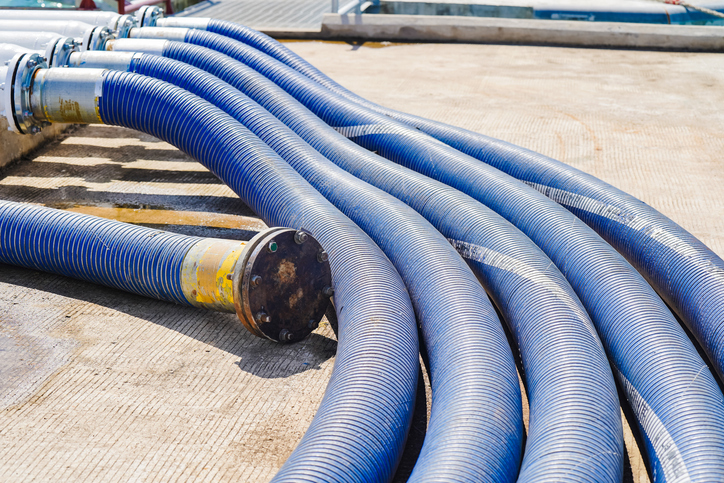
When storage tanks and fluid transfer piping fail, the consequences are severe. Polyester composite tape ensures composite overwrapped pressure vessels (COPVs) and chemical containment systems are properly laminated. The 500 Series Hi-Shrink Tape applies moderate to high shrink force on thick-walled composites, consolidating large-diameter tubes and containment rings. At 0.005″ thick, it delivers the compressive force needed for resin systems that must withstand corrosive chemicals and high-pressure environments. Vulcanized rubber applications for fluid transfer hoses also rely on polyester composite tape’s ability to maintain compression as temperatures rise.
Sporting Goods: Performance at Scale
From golf club shafts to arrow shafts and rifle barrels, sporting goods manufacturers use polyester composite tape to produce consistent, high-performance parts at volume. These small-diameter applications benefit from ultra-thin tape options that won’t add unnecessary weight. The 100 Series, at just 0.001″ thick, provides the low to moderate shrink force needed for thin-walled composites while maintaining production speed.
Selecting the Right Solution Is Easy With Dunstone
The industries above represent just a fraction of use cases where polyester composite tape solves consolidation challenges. What makes heat shrink tape work comes down to matching material thickness, shrink percentage, and cure temperature to your specific application. A 0.001″ tape that’s perfect for a golf shaft won’t provide adequate compression for an oil storage tank.
Dunstone’s engineering team has spent 65+ years formulating polyester composite tape solutions for demanding applications. Whether you’re consolidating aerospace components or high-volume sporting goods, understanding how shrink tape performs in composite part manufacturing helps you select the right series for your production requirements. And whether you’re starting a new project or optimizing an existing one, Dunstone can help model the compaction forces involved using our tape.
Ready to find the right polyester composite tape for your application? Request a free sample and our engineering team will recommend a solution based on your cure temperature, part geometry, and consolidation requirements.