
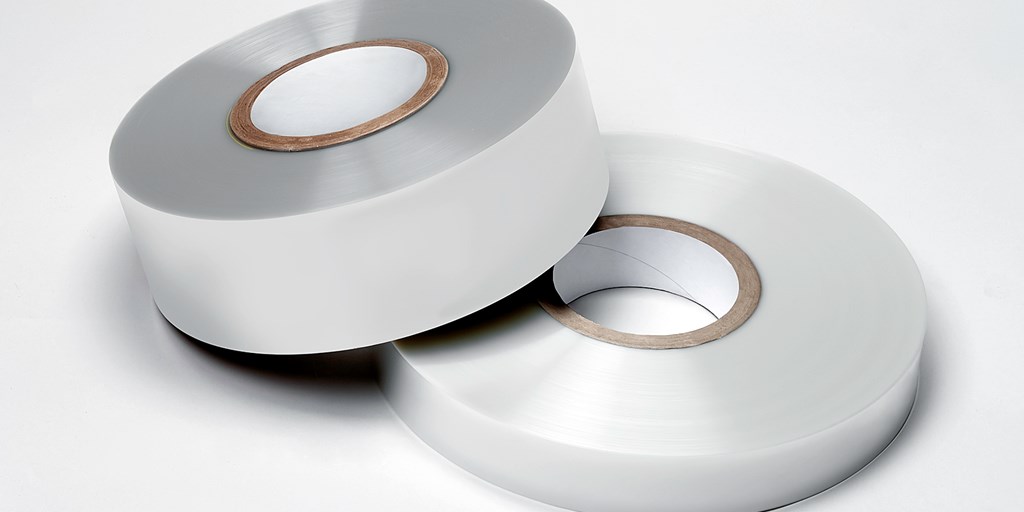
Understanding the Differences in Release Materials
One of the most common release films added to shrink films, tapes, and tubing is polytetrafluoroethylene, or PTFE. For shrink tapes, this release material is typically added to one or both sides of the tape depending on the application, allowing for the easy removal of the tape from the underlying part without leaving any material or residue.
In many instances, this is preferable to non-release-coated shrink solutions because uncoated materials not only leave material behind but also require more manpower and production time to remove (it’s often done by hand). Unless the application specifically calls for the tape to be left on, if the tape will be acting as an insulator, the shrink tape or film will most likely need to be removed.
However, applications differ from one to the next — what works well for one resin system, composite material, compaction film, and curing temperature combination might not work as well for others.
Exploring an Electrical Application Example
Biaxially-oriented polypropylene — or BOPP — is a common shrink film used by many manufacturers around the world. Recently, Dunstone worked with a company producing parts for an electrical application. While BOPP does provide compaction, this particular application required greater force in order to avoid moisture getting into the part.
The company decided to utilize Dunstone 220R — a PTFE-release-coated version of the 200 Series with up to 20% shrink. The 200R tape resulted in a 100% success rate for parts produced — no moisture was found in the parts. However, the release-coated tape was sticking to the parts, requiring the customer’s production team to manually remove the residue. As this was more preferable than the BOPP alternative (scrapping the part and starting over), the company continued to manually remove the PTFE residue.
The Solution: A Silicone Release Film
To help this customer continue to benefit from our 220R Hi-Shrink Tape but eliminate the need for manually removing release material, our team began testing a variety of different options — ultimately developing a Silicone release solution. This alternative helped the customer properly consolidate their composite part, prevent moisture ingress, and streamline production by having an easy release layer that did not require any further effort on the part of their production team.
Other Advantages of a Silicone Release Layer on Shrink Tape
- Ideal for higher temperatures — Silicone is extremely heat resistant, so for curing applications where temperatures would otherwise exceed what is ideal for a PTFE release coating, a Silicone-coated release tape will be best.
- Maximizes surface finish — Thanks to its easy removal, there is no residue or material left behind. This ensures that part surface finishes appear exactly as desired after the curing process is finished.
- Widely available — Silicone release coatings are available on more than just our 200 Series tapes. Wherever seamless release is needed, our engineers can develop a Silicone-release-coated Hi-Shrink Tape for you — whether it’s our thicker 300 Series or another option from our extensive product portfolio.
Get a Complimentary Sample of a Silicone Release Product
Whether it’s Hi-Shrink Tapes or Hi-Shrink Tubing, we are happy to provide a free sample of any in-stock product so that you can test it in your production environment. Reach out to us here and tell us about your application, then our team will get a sample shipped to you. If any further customization is needed, our engineers are ready to assist.